Steve DeBerg
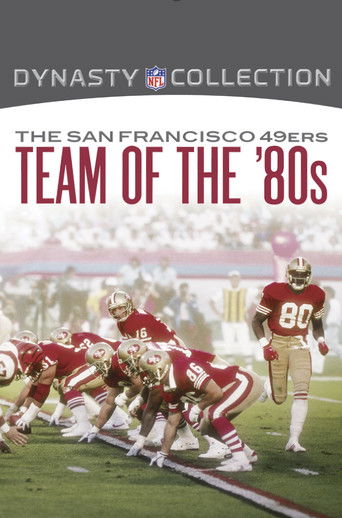
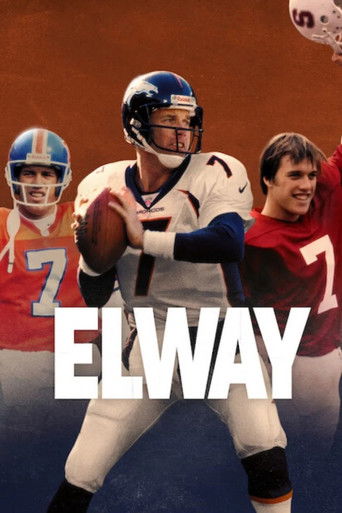
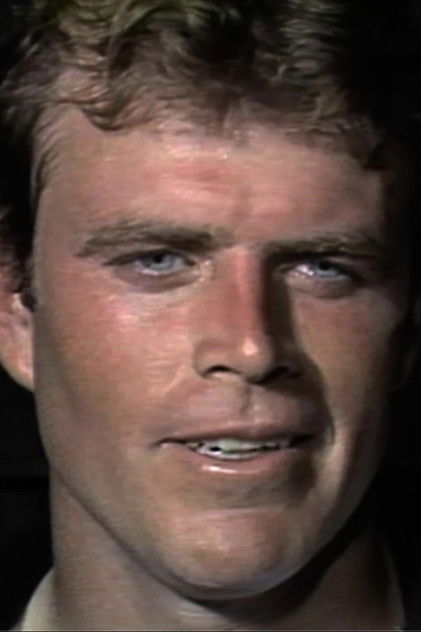
Steve DeBerg embodied perseverance and professionalism during his remarkable 21-year NFL career, becoming one of football's most respected journeyman quarterbacks while mentoring three future Hall of Famers. Born January 19, 1954, in Oakland, California, DeBerg attended Savanna High School in Anaheim before excelling at Fullerton College (1972-1973), where he led the Hornets to a 10-1 record and South Coast Conference title. He transferred to San José State University, earning PCAA Offensive Player of the Year honors in 1976 after completing 141 of 262 passes for 2,084 yards and 19 touchdowns. Drafted in the tenth round by Dallas in 1977 but waived before the season, the 6-foot-3, approximately 210-pound DeBerg signed with San Francisco and became the first quarterback to implement Bill Walsh's innovative West Coast Offense in 1979, leading the NFL with 347 completions and 578 attempts while passing for 3,652 yards. Over 18 seasons, he played for six teams (49ers 1977-1980, Broncos 1981-1983, Buccaneers 1984-1987 and 1992-1993, Chiefs 1988-1991, Dolphins 1993, Falcons 1998), accumulating 34,241 passing yards, 196 touchdowns, and 204 interceptions across 206 games. DeBerg's strengths defined the ultimate professional: masterful play-action technique (studied by Peyton Manning), meticulous film preparation (carried his own projector to training camp), and remarkable toughness (played through injuries including damaged vocal cords requiring a portable amplifier system in his shoulder pads in 1980). He prepared as if he knew he lacked elite physical tools, keeping detailed notebooks filled with plays, tendencies, and wisdom from coaches. His greatest moments showcased excellence and longevity: During his 1990 season with Kansas City, DeBerg posted career-best 96.3 passer rating with 3,444 yards and 23 touchdowns against just four interceptions, leading the Chiefs to the playoffs and setting a team record with 223 consecutive passes without an interception; On September 13, 1987 DeBerg had a career-high five touchdown passes in an opening-day victory over Atlanta, completing 24 of 34 attempts for 333 yards; and on October 25, 1998, at age 44, DeBerg became the oldest quarterback to start an NFL game (a record later broken by Tom Brady), then became the oldest player on a Super Bowl roster (45 years, 12 days) when the Falcons reached Super Bowl XXXIII. After retiring, DeBerg served as quarterbacks coach for the New York Giants (1995-1996) under Dan Reeves, then briefly coached in the Arena Football League as head coach of the Indiana Firebirds (2004) and assistant with the Tampa Bay Storm.