Steve Sabol
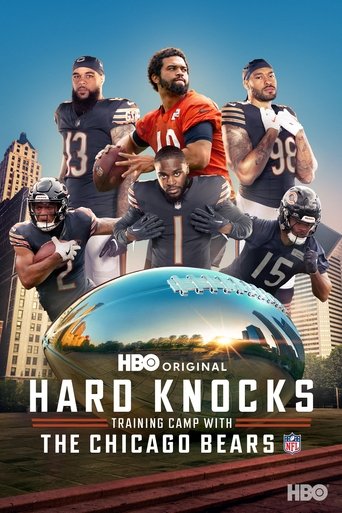
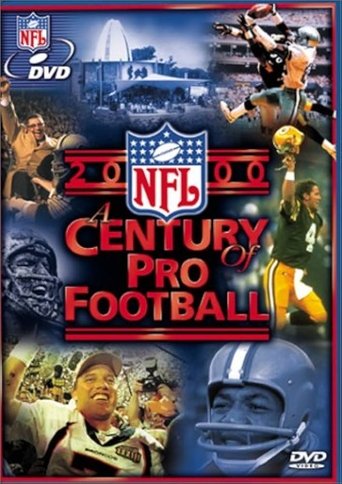
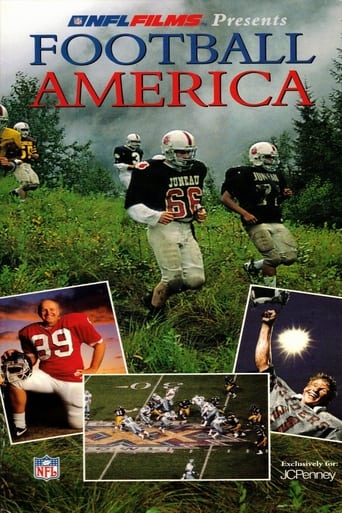
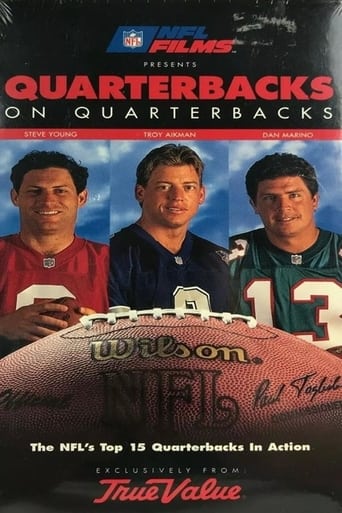
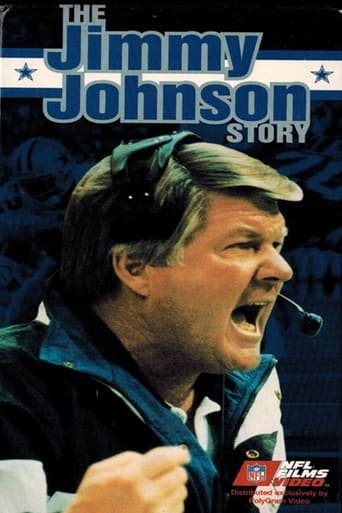
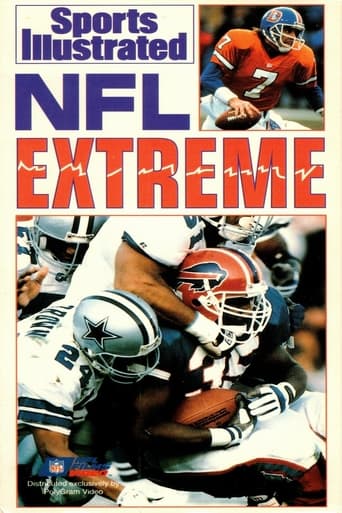
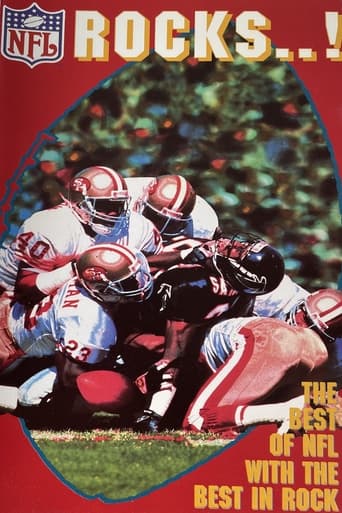
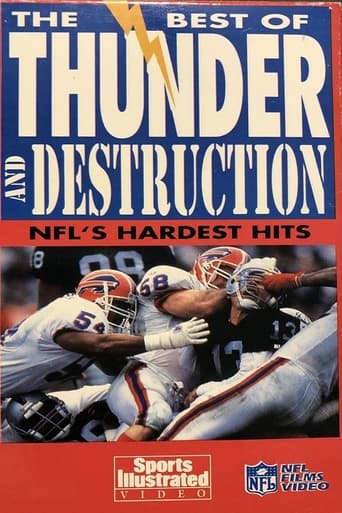
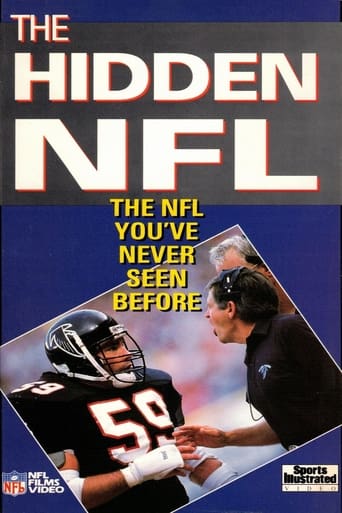
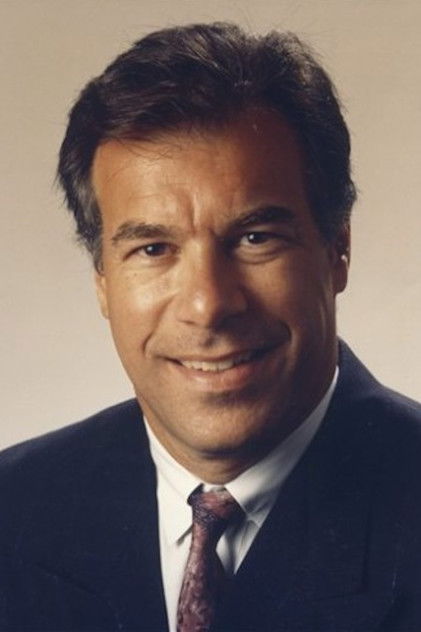
Steve Sabol (1942–2012) was one of the most influential visual storytellers in sports history, a filmmaker, artist, and creative force whose imagination transformed the NFL into a cinematic experience. As the longtime president of NFL Films and the son of founder Ed Sabol, Steve helped turn a small family venture into one of the most celebrated production companies in American media, winning more than 40 Emmy Awards across writing, cinematography, editing, and directing—an unmatched achievement in sports filmmaking. Born in Moorestown, New Jersey, Sabol grew up surrounded by both art and athletics. His mother, Audrey, was an art collector, and his father was a budding filmmaker. At Colorado College, he majored in art history while starring as a running back, a combination that would later define his signature style: the athlete with an artist’s eye. When his father secured the rights to film the 1962 NFL Championship Game, Steve joined as a cameraman, quickly proving himself a gifted visual storyteller with a flair for drama, composition, and emotion. As NFL Films expanded, Sabol became its creative heartbeat. He pioneered techniques now standard in sports media—slow motion, tight‑spiral close‑ups, on‑field microphones, orchestral scoring, and poetic narration. His philosophy was simple: football should be filmed like Hollywood mythmaking. He wrote scripts, narrated films, edited highlight reels, and even penned The Autumn Wind, the iconic poem embraced by the Oakland Raiders. By the 1980s, Sabol was also a recognizable on‑air personality, bringing humor and insight to ESPN segments and NFL Films specials. He later played a key role in launching NFL Network, extending the company’s storytelling legacy into the digital era. His work earned him the Dan Reeves Pioneer Award, the Pete Rozelle Award, induction into the Philadelphia Sports Hall of Fame, and ultimately the Pro Football Hall of Fame Class of 2020. Sabol continued creating until his death in 2012, leaving behind not only a vast archive of films but a philosophy: that sports are not just games, but stories—epic, emotional, and deeply human. His desk at NFL Films remains untouched, a quiet tribute to the man who taught America how to feel football.